
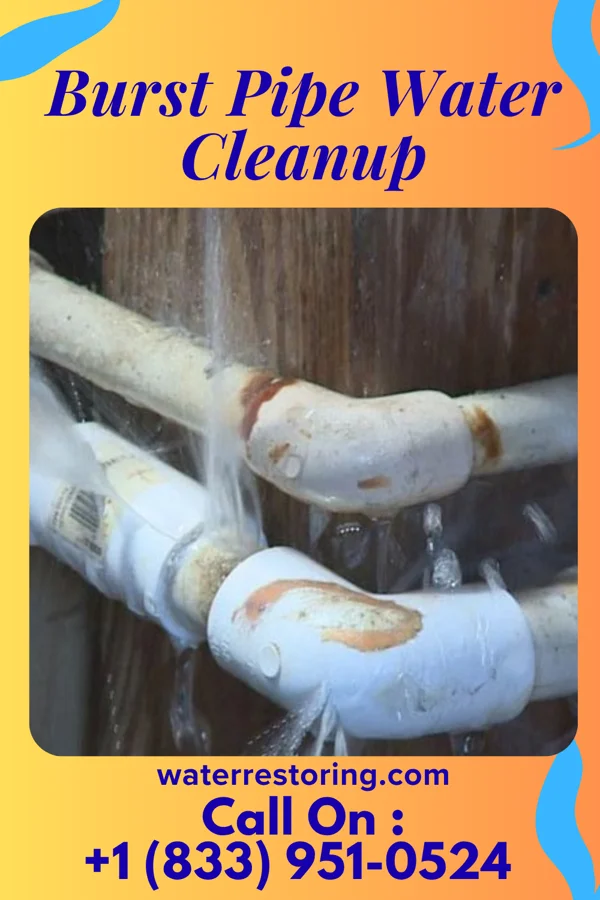
Hidden Burst Pipes in Hickory Hills
Property owners across Hickory Hills call certified water damage restoration when Hickory Hills, located in Luzerne County, experiences a mix of residential and rural infrastructure, which can lead to pipe bursts due to aging systems and potential soil shifts. The area's proximity to White Haven and Freeland means some homes are built on older foundations that may not withstand pressure changes, increasing the risk of pipe failures.. A close second is The East Side of Hickory Hills, with its mix of single-family homes and small commercial properties, often has less frequent maintenance on underground piping systems. This, combined with the region's fluctuating temperatures, can cause unexpected pipe bursts, especially during seasonal transitions..
Hickory Hills experiences a continental climate with cold winters and warm summers, which can stress plumbing systems. The region's proximity to the Susquehanna River also means that groundwater levels can fluctuate, increasing the likelihood of pipe damage during heavy rainfall or thawing periods.
Hickory Hills experiences a continental climate with cold winters and warm summers, which can stress plumbing systems. The region's proximity to the Susquehanna River also means that groundwater levels can fluctuate, increasing the likelihood of pipe damage during heavy rainfall or thawing periods. The dominant local driver is Hickory Hills, located in Luzerne County, experiences a mix of residential and rural infrastructure, which can lead to pipe bursts due to aging systems and potential soil shifts. The area's proximity to White Haven and Freeland means some homes are built on older foundations that may not withstand pressure changes, increasing the risk of pipe failures., with The East Side of Hickory Hills, with its mix of single-family homes and small commercial properties, often has less frequent maintenance on underground piping systems. This, combined with the region's fluctuating temperatures, can cause unexpected pipe bursts, especially during seasonal transitions. showing up as the next most common cause. Damage builds in stages. Spread. Absorption. Microbial growth. Structural compromise. Every stage you pass through adds to the final bill.
For public guidance on the health effects of mold after prolonged water exposure, see the EPA mold and health page.